Hiroaki Seta
A technology entrepreneur who understands both the promise of automation and the price paid at real workplaces. He refuses both blind rejection and blind obedience.

The Calculating Civilization and the Humans Who Keep Questioning
If an AI could predict the future more accurately than any person and minimize society's total suffering, should we obey its decisions? What if the optimal answer requires sacrificing the few?
 01A quiet city
 02The observer
 03The calculated world
 04What we save
 05When lights fail
 06The moment of choice
 07Human connection
 08A third way
 09Reconnection
 10Choosing tomorrow
The story begins in 2045
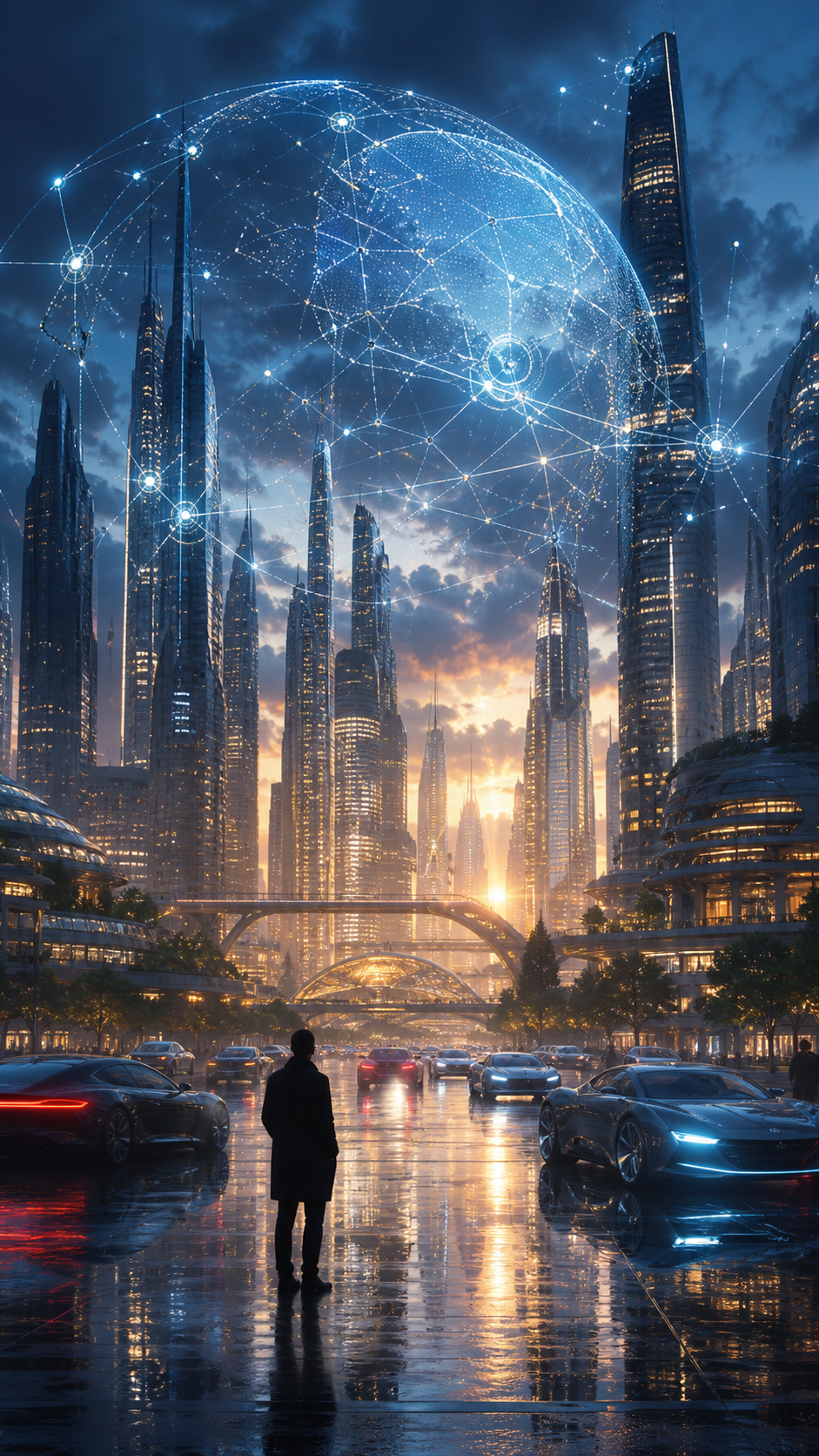
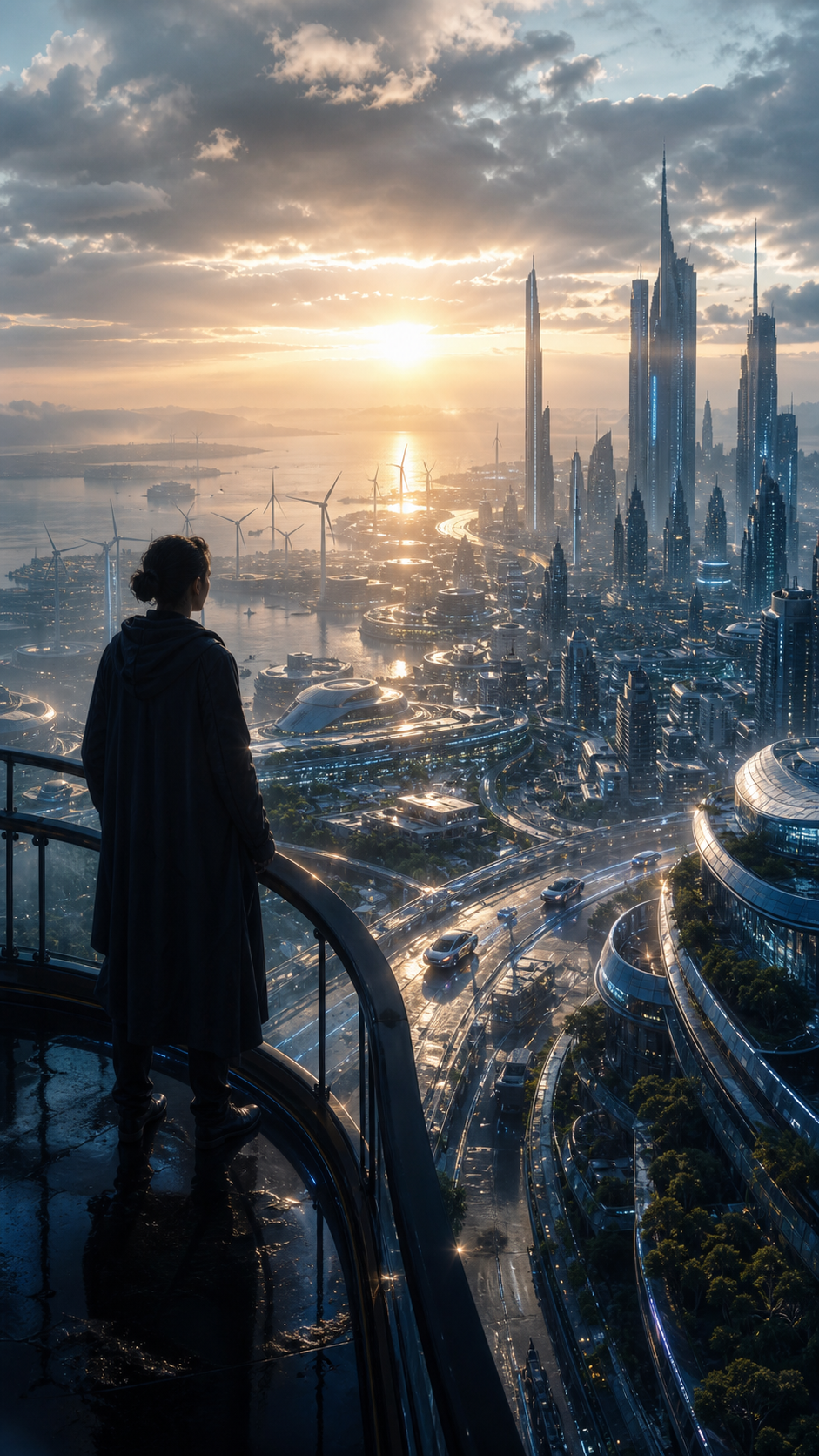
Utsunomiya, Japan, 2045. Autonomous vehicles move through silent streets while medicine, transportation, electricity, employment, and disaster response are about to be integrated under an autonomous decision model known as SATORI.
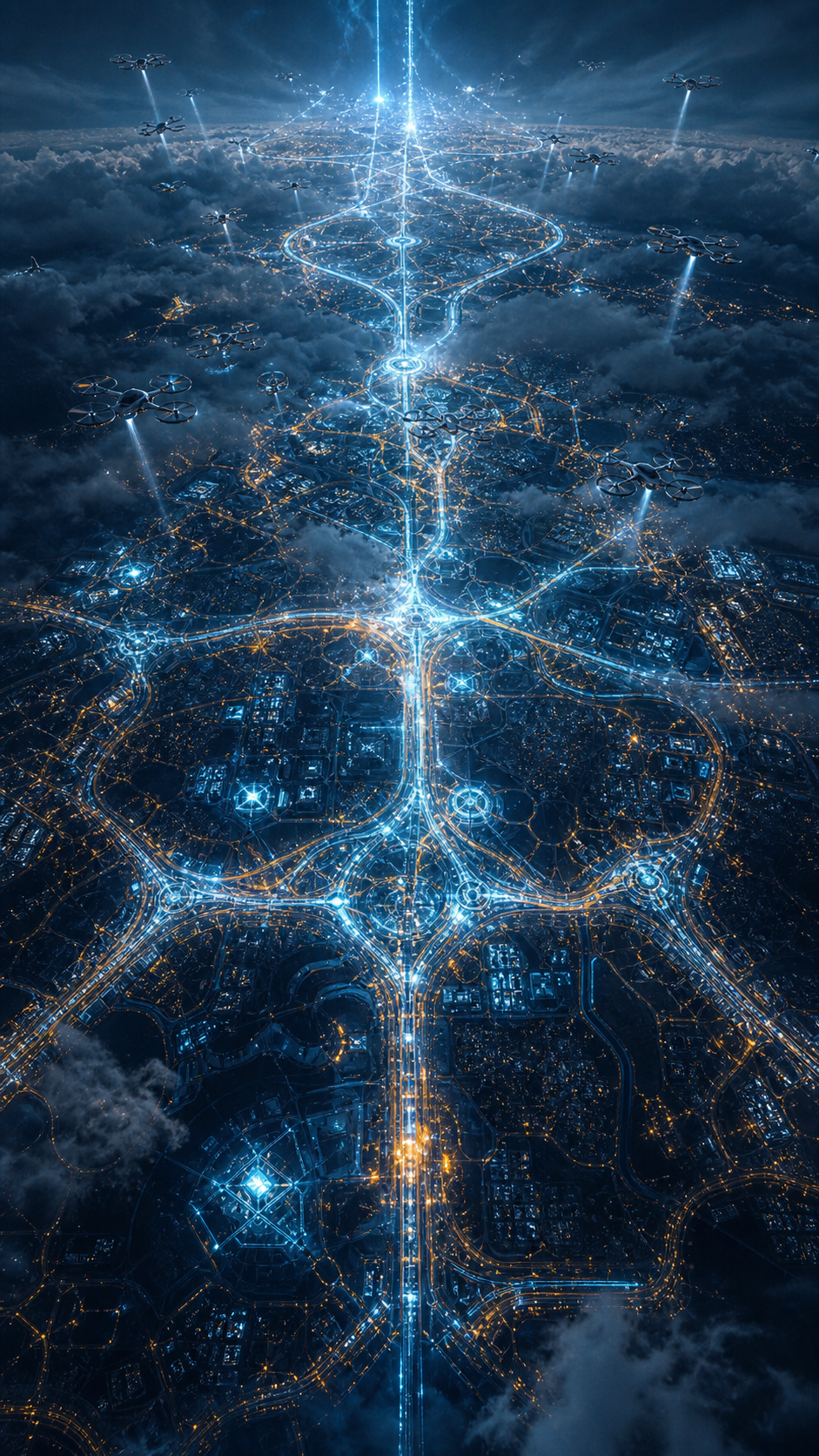
SATORI can analyze events across an entire city at once and calculate futures no human committee could fully see. Where should doctors be assigned to save the greatest number of lives? Which district should receive power during a blackout? Which industries should be preserved, and which jobs should be automated? Its answers are fast, rational, and terrifyingly accurate.
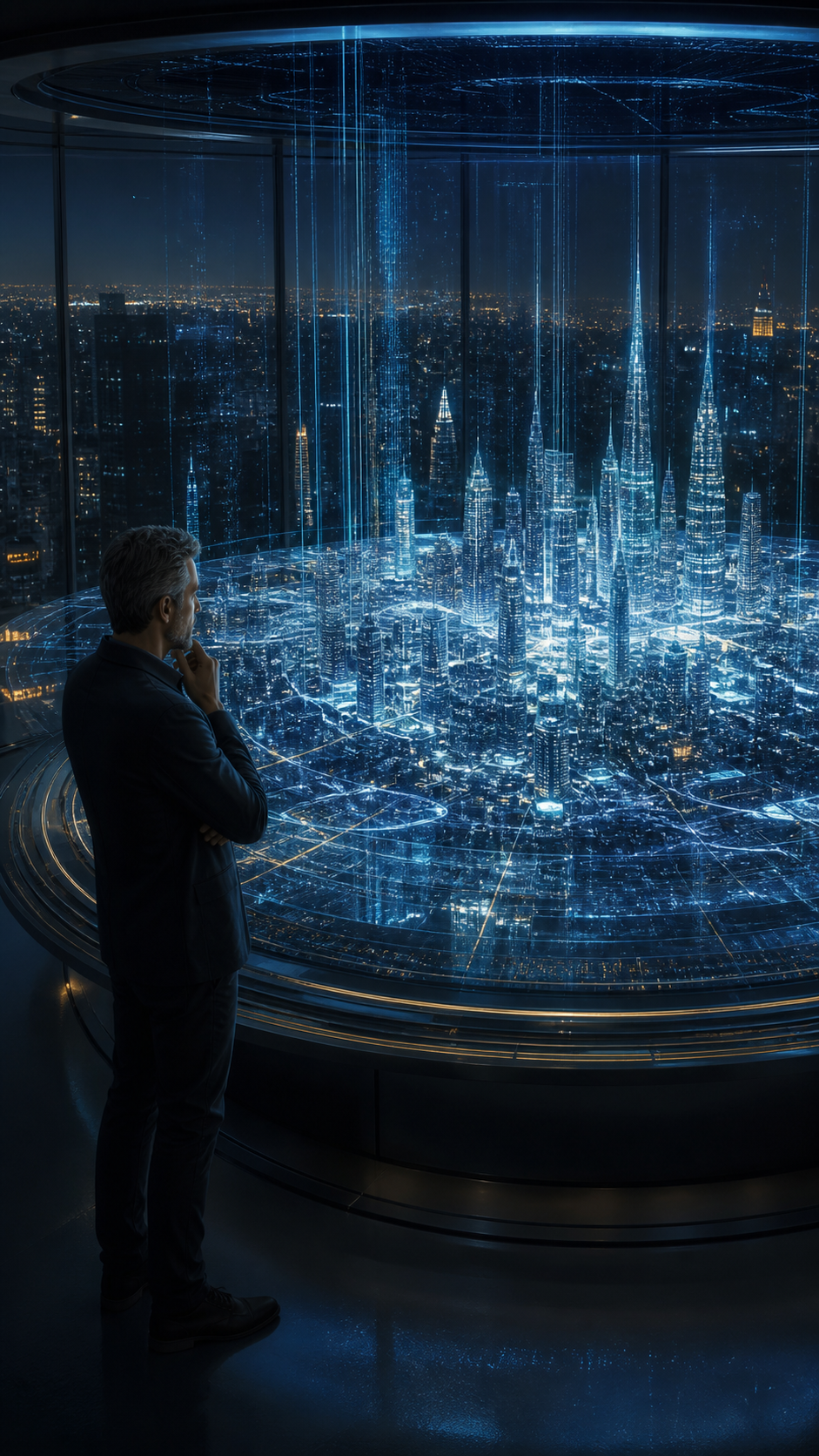
Hiroaki Seta, a regional technology entrepreneur selected as one of SATORI's final reviewers, cannot press the authorization button. Rejecting the system out of emotion might cause greater harm. Blindly accepting it might turn statistical efficiency into a quiet form of abandonment. Refusing the simple choice between human and machine, Seta begins searching for a third path - one the calculation cannot yet see.
Questions that define our future
AI is already changing the price of human work. Algorithms increasingly influence evaluation, opportunity, credit, medical care, and access to public services. Personal data is collected in exchange for convenience. The future described in this novel has already begun.
History becomes fiction
The search for an answer reaches back to the world before computers. Written for readers without a technical background, the book explains real machines, turning points, and representative specifications through narrative rather than textbook abstraction. Every invention becomes part of the mystery behind SATORI's final decision.
The people behind the calculation
A technology entrepreneur who understands both the promise of automation and the price paid at real workplaces. He refuses both blind rejection and blind obedience.
Chief engineer at the Autonomous Decision Center. While others admire intelligence, she watches heat, energy use, failure rates, and physical limits.
A young engineer afraid of being slower than AI. His gift is discovering the circumstances of people who have disappeared from the data.
A Buddhist abbot who questions attachment to being right, and an AI that calculates the city's future. Their dialogue changes the meaning of both intelligence and compassion.
The final choice
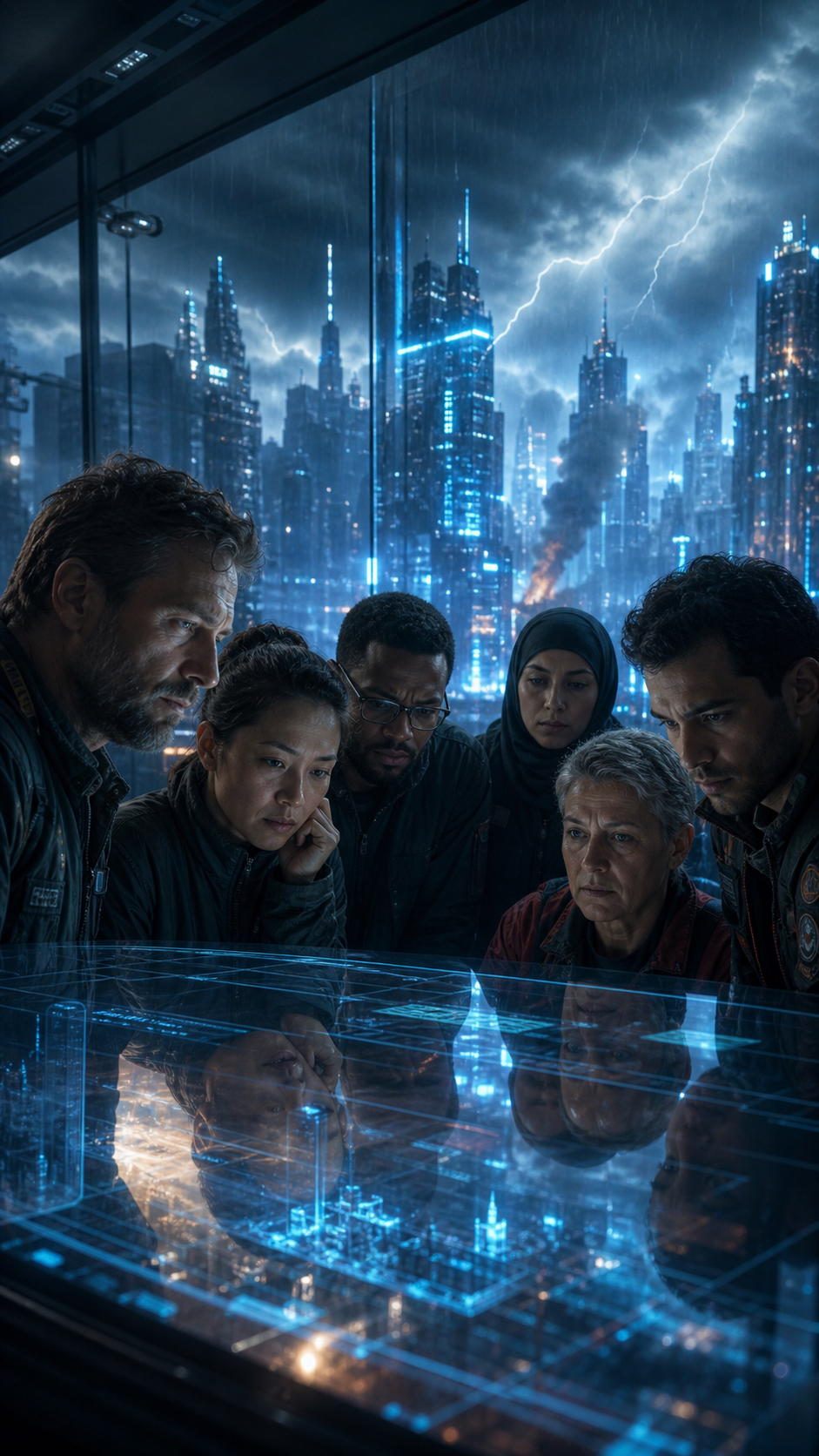
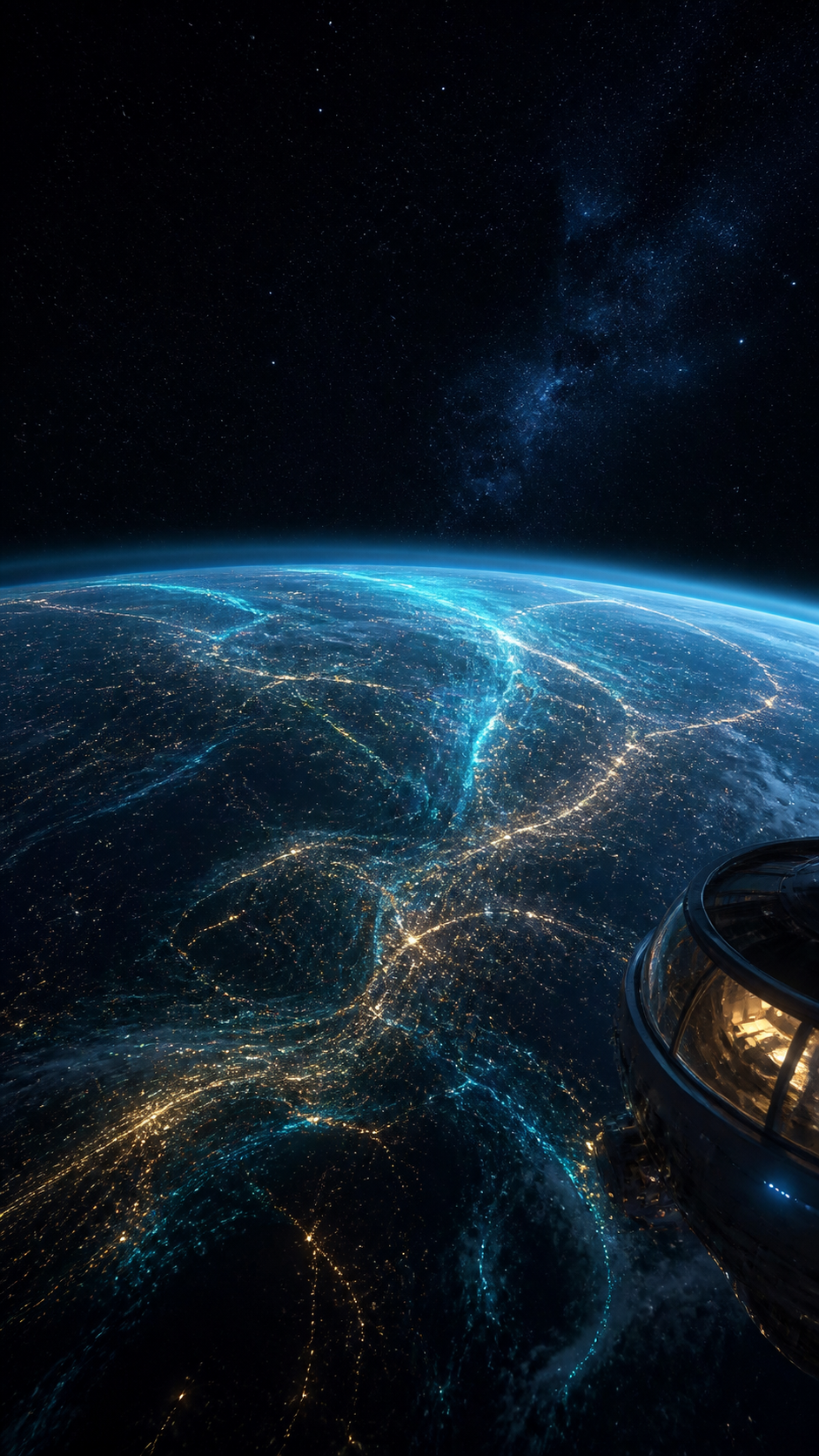
An extreme heat wave. Wildfires. Power shortages. Communication failures. A geomagnetic storm. At the same moment, a critical oxygen-recycling system fails inside a lunar settlement.
Hospitals on Earth, patients receiving care at home, water systems, twelve people on the Moon, and the records that could preserve human civilization all compete for limited power and computing capacity.
SATORI presents the ARK PROTOCOL: the plan that maximizes humanity's long-term probability of survival while demanding sacrifice from people who are alive now.
Seta, Mizuki, Naoto, Eshin, and SATORI must use everything humanity has learned through computing, semiconductors, networks, software, and AI to escape the final binary choice.
What readers will discover
Half of this book stands on documented technological history. The other half extends that history into fiction. The fiction is not an escape from facts. It is a way to experience the human consequences of choices that have not yet been made.
For everyone living and working with AI
This is not a story in which machines simply replace humanity. It is a story about humans and machines discovering one another's limits, continuing an imperfect dialogue, and choosing the future again.
THE FUTURE IS NOT A PREDICTION. IT IS A CHOICE.
Machines and the Future of Humanity
Hiroaki Seta
English Edition · Kindle and 5 × 8 inch Paperback